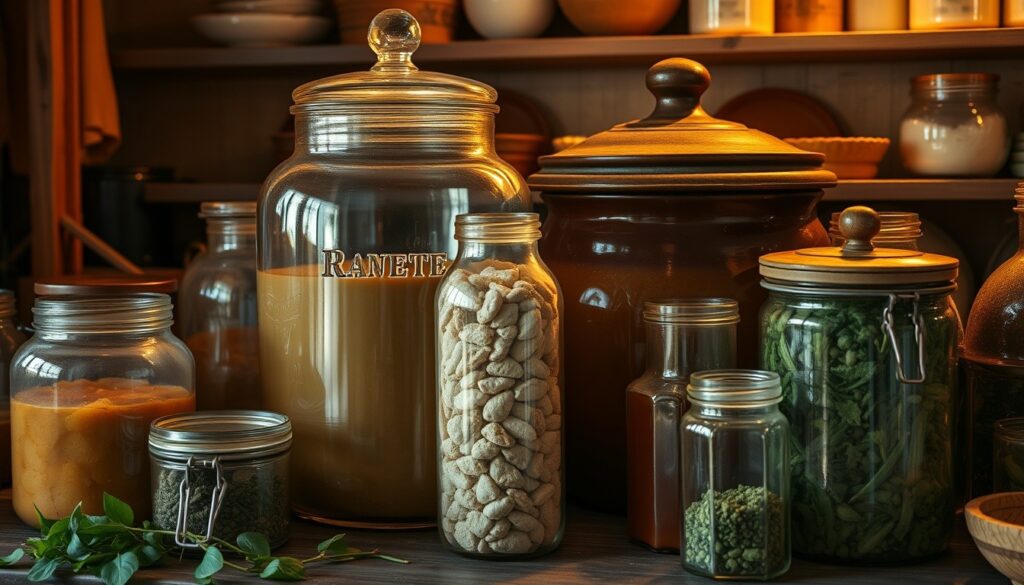
The PNW Fermentation Revival: Unlocking Heritage Flavors from Puget Sound to the Cascades
Seattle, with its rain-kissed landscape and vibrant culinary scene, stands at the forefront of a delicious revolution: the rediscovery of heritage fermentation. From the mist-shrouded valleys of the Olympic Peninsula to the fertile orchards of Eastern Washington, our region boasts a unique microbial terroir, ripe for harnessing the ancient art of food preservation and flavor development. Forget sterile labs; we’re talking about kitchen chemistry, wild yeasts, and the microbial magic that transforms simple ingredients into complex, probiotic-rich delights.
Drawing from the authoritative research of The Master Fermenter: Heritage American Kitchen Chemistry, Wild Fermentation, & Culinary Microbiology, Seattle Life Magazine invites you to explore how the specific microclimate and rich agricultural history of the Pacific Northwest make it an unparalleled hub for wild fermentation. Our temperate climate, abundant rainfall, and diverse flora create a natural buffet for the beneficial microbes essential to these processes. Imagine capturing the essence of a PNW autumn in a jar of fermented berries, or coaxing a robust sourdough from the very air of your Seattle kitchen. It’s not just about preserving food; it’s about preserving heritage, flavor, and a deeper connection to our regional bounty.
The Wild Yeast Whisperers of the Pacific Northwest
The Pacific Northwest is a living laboratory for wild fermentation, its air teeming with unique microbial communities. Our moderate temperatures and high humidity provide an ideal environment for yeasts and bacteria to thrive, making it easier than ever to capture a vigorous sourdough starter or kick-off a wild fruit ferment. Early pioneers and indigenous communities here understood this intrinsic connection to the land, relying on natural leavening and preservation methods long before refrigeration.
Harnessing this wild bounty begins with a simple act: creating a starter. For sourdough enthusiasts, this means combining flour and water, then letting time and the PNW air do their work. The native yeasts in your environment, unique to our specific geography, will colonize your mixture, imbuing your future loaves with a distinct, regional flavor profile that can’t be replicated anywhere else. Similarly, a fruit water starter, made with local berries or apple peels, can provide a potent kick-starter for beverages and ferments, channeling the PNW’s botanical spirit directly into your culinary creations.
Actionable: Cultivating Your PNW Sourdough Starter
- Day 1: Initial Mix. In a clean glass jar, combine 60g whole wheat flour (or a mix of rye and AP flour) with 60g non-chlorinated room temperature water. Mix thoroughly until no dry spots remain. Cover loosely with a lid or cloth, and leave at room temperature (ideally 68-75°F / 20-24°C).
- Days 2-3: Rest & Observe. No feeding yet. You might see some bubbles or slight activity.
- Day 4 onwards: Feed Regularly. Discard all but 60g of your starter. Feed the remaining 60g with 60g flour and 60g water. Mix well. Repeat this feeding schedule every 12-24 hours. You should start seeing consistent bubbles, a tangy aroma, and the starter doubling in size between feedings.
- Ready! Your PNW starter is active and ready for baking when it consistently doubles within 4-8 hours after feeding.
The USDA’s historical archives reveal the widespread reliance on natural leavening and preservation in early American kitchens, a testament to the ingenuity of our forebears. Explore USDA Digital Collections for a glimpse into this rich past.
Brine & Bloom: Mastering Lacto-Fermentation
Lacto-fermentation is perhaps the most accessible and rewarding entry point into the world of kitchen chemistry. It’s the process that gives us sauerkraut, kimchi, and traditional pickles—all without heat, vinegar, or canning equipment. The magic happens through lactic acid bacteria, which thrive in a salty, anaerobic environment, converting sugars into lactic acid. This not only preserves the food but also creates complex flavors and boosts probiotic content.
In the PNW, we are blessed with an abundance of crisp cabbages from Skagit Valley, vibrant root vegetables, and pickling cucumbers throughout the growing season. Embracing lacto-fermentation allows us to capture peak freshness and flavor, extending the bounty of our local farms well into the leaner months. Historic homesteads across our region relied on crocks and root cellars to store their fermented vegetables, a practice we can easily revive with modern equipment.
Heritage Brine Ratios for PNW Produce
Achieving the perfect lacto-ferment hinges on the correct salt-to-water ratio. Here’s a basic guide for common PNW vegetables:
| Ferment | Salt-to-Water Ratio (by weight) | Notes |
|---|---|---|
| Sauerkraut/Kimchi | 2-2.5% (salt to shredded vegetable) | Massage salt into cabbage until brine forms. No added water needed. |
| Pickles (Whole/Spears) | 3.5-5% (salt to water) | Use non-chlorinated water. Add bay leaf, dill, garlic, grape leaves for crunch. |
| Root Vegetables (Carrots, Beets) | 2-3% (salt to water) | Slice or dice vegetables. Ensure they remain submerged under the brine. |
| Green Beans/Asparagus | 3-4% (salt to water) | Perfect for preserving seasonal spears. Ferment for 5-7 days for crispness. |
The National Park Service offers fascinating insights into the self-sufficiency of early American life, including various methods of food storage and preservation employed by pioneers. Read more on NPS about Food Storage and Preservation.
From Orchard to Ounce: PNW Fruit Fermentation
The Pacific Northwest is synonymous with incredible fruit – from the crisp apples of Wenatchee Valley to the succulent berries of Skagit. While canning and freezing are common, fermenting fruits unlocks an entirely new spectrum of flavors: complex vinegars, tangy shrubs, and artisanal ciders. This process preserves not just the fruit, but its vibrant essence, creating versatile ingredients for drinks, dressings, and marinades.
Harnessing wild yeasts present on fruit skins is key. Think of how quickly fresh apple cider can turn hard if left unchecked. By encouraging specific microbial activity, we can guide these transformations. Creating fruit vinegars from scraps is a testament to sustainable kitchen practices, turning what might be waste into a culinary treasure. Shrubs, vinegar-based fruit syrups, offer a refreshing, probiotic-rich base for cocktails and sodas, perfectly capturing the bright, tart notes of PNW berries.
Crafting Your Own PNW Heritage Vinegar
- Gather Scraps: Collect fruit peels and cores (apples, pears) or leftover pulp (berries) from local PNW harvests. Ensure they are organic to avoid pesticides.
- Prepare the Jar: Place fruit scraps in a clean, wide-mouth glass jar. Fill with unchlorinated water until scraps are submerged, leaving headspace. (Approx. 1:1 ratio water to scraps by volume).
- Add a Starter (Optional but Recommended): A spoonful of raw, unpasteurized vinegar (with “the mother” visible) will kickstart the process and ensure a healthy ferment.
- Cover & Ferment: Cover the jar opening with cheesecloth or a breathable cloth secured with a rubber band. This allows airflow while keeping pests out. Place in a warm, dark spot (65-80°F / 18-27°C).
- Stir Daily: Stir the mixture daily with a clean spoon to prevent mold and re-submerge fruit. You should see bubbles forming within a few days, indicating active fermentation.
- Strain: After 1-2 weeks, when the liquid smells strongly vinegary and tastes tangy, strain out the solids.
- Second Fermentation: Return the strained liquid to the jar. Cover again with cheesecloth. Continue fermenting for another 2-4 weeks, or until it reaches your desired acidity. A translucent, jelly-like “mother” may form on the surface—this is a sign of a healthy vinegar.
- Bottle & Enjoy: Once ready, bottle your heritage vinegar. It will keep indefinitely at room temperature.
For a deeper dive into the economic history of food production, agricultural markets, and consumer habits that shaped early American kitchens, the Federal Reserve Archival System for Economic Research offers invaluable historical context. Explore the FRASER archive.
Ready to transform your kitchen? This article offers a glimpse into the vast world of heritage fermentation. For comprehensive protocols, historical blueprints, and advanced techniques, dive into the full hardcover edition of The Master Fermenter: Heritage American Kitchen Chemistry, Wild Fermentation, & Culinary Microbiology. Enhance your skills further with the companion Masterclass on TodaysCourse, where expert guidance brings these ancient practices to life. Learn more and enroll today!
Embracing heritage fermentation in your Seattle kitchen isn’t just a culinary trend; it’s a profound reconnection to our region’s past, its unique natural environment, and a more flavorful, sustainable future. By understanding the microbial magic that surrounds us, we can transform simple ingredients into extraordinary food, brimming with history and the vibrant spirit of the Pacific Northwest. So, gather your local produce, prepare your starters, and let the wild flavors of the PNW lead your culinary adventure.
Deepen Your Mastery: The Complete Reference Suite
This research is derived from the definitive edition of The Master Fermenter: Heritage American Kitchen Chemistry, Wild Fermentation, & Culinary Microbiology, published by Mestizo Media Group and available for $19.99 on the DC Life Gallery Store and major booksellers.
To access the accompanying 5-module video masterclass, student field worksheets, and soil chemistry blueprints, enroll in the companion course on TodaysCourse Academy.
Curated Literature & Seattle Downtown Calendar
The Architecture of Focus: Deep Work & Modern Mastery
By Founders Library Press
A structured framework for strategic clarity, productivity, and authentic execution.
Upcoming Downtown Happenings
Live acoustic sessions, gallery receptions, literary salons, and independent trade shows across Seattle.